Get a Ready-to-Ship Pavilion Delivered to Your Door In Just 4 Weeks!
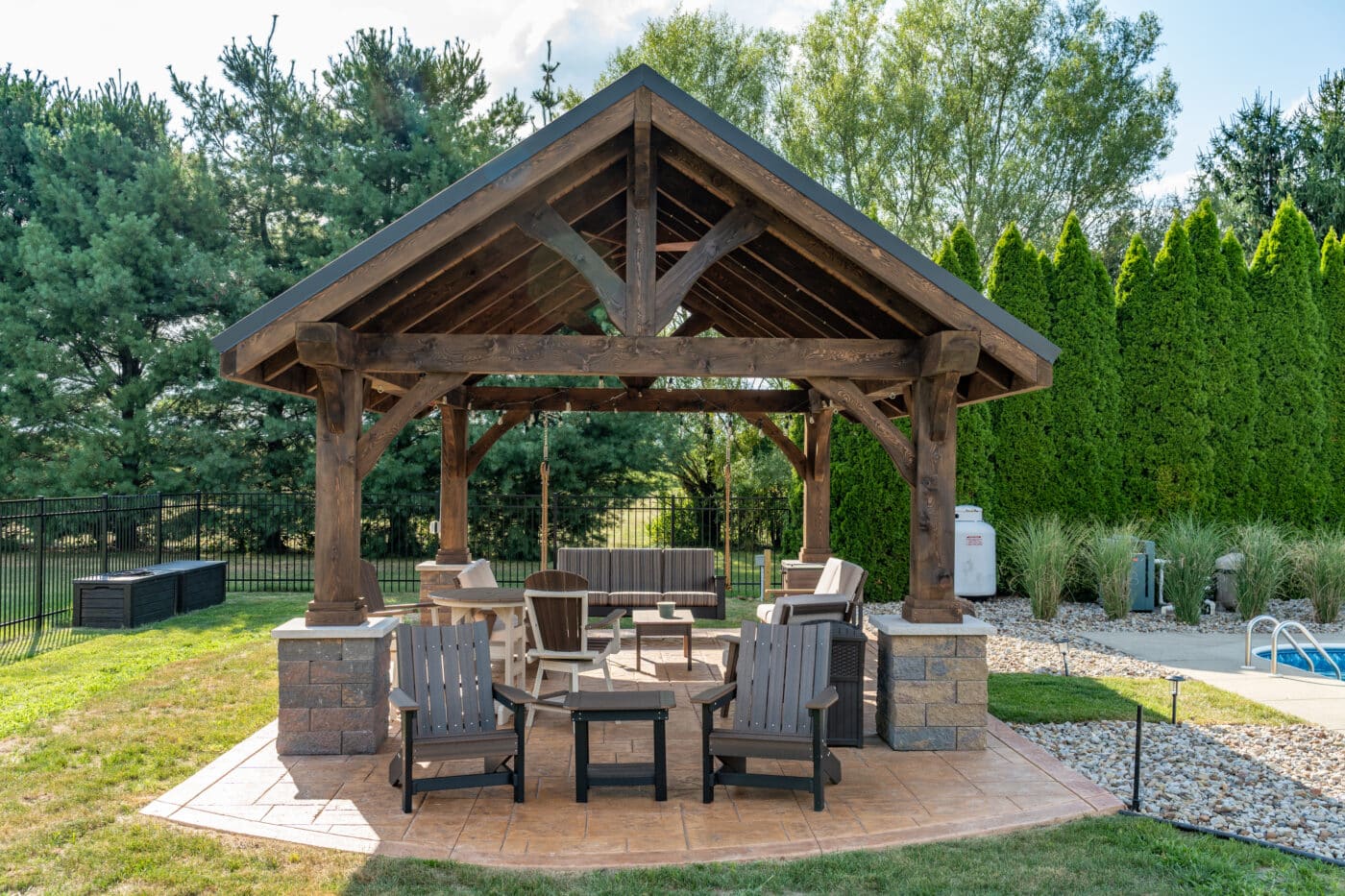


Building a pavilion is a great way to enhance your outdoor living space, providing a comfortable area for entertaining, relaxing, or hosting family gatherings. Before beginning construction, however, it’s important to understand the permit requirements that may apply to your project. In West Virginia, pavilion permit regulations vary by city and county, with factors such as structure size, location, and intended use often determining whether approval is required. This guide explains what homeowners need to know before installing a pavilion in the Mountain State.

In West Virginia, a pavilion kit may require a permit based on factors such as its size, height, foundation type, and intended use. Permits are commonly required for larger structures, permanently installed pavilions, or projects that include electrical, plumbing, or other utility connections. Because regulations vary by city, town, and county, homeowners should verify requirements with their local building and zoning department before construction begins.

Yes, building a commercial pavilion in West Virginia will almost always require a building permit. Commercial pavilions are generally classified as permanent structures and must comply with applicable building, structural, accessibility, and safety codes. While specific permit requirements may vary by municipality or county, commercial projects are subject to stricter regulations than residential structures and typically require plan review, inspections, and zoning approval. Before construction begins, property owners should consult their local building department to ensure the pavilion meets all applicable requirements.

Yes, residential pavilions generally require a building permit in West Virginia. Because pavilions have permanent roofs and are considered detached structural improvements, they are often subject to local building and zoning regulations. Although West Virginia adopts statewide building codes, enforcement is handled at the municipal and county levels. As a result, permit requirements can vary depending on your location, the size of the pavilion, and any planned electrical or plumbing installations. Homeowners should contact their local building department to verify the specific requirements that apply to their project.

Yes, it is generally permissible to install a pavilion kit in West Virginia, and many suppliers offer prefabricated kits that can be delivered directly to properties throughout the state. However, permit and zoning requirements vary by city, town, and county. Before beginning construction, it is important to check with your local building and zoning authorities to confirm that your project complies with all applicable regulations.

Not necessarily. In West Virginia, pavilion kits are generally subject to the same local building and zoning regulations as other outdoor structures. The specific permits required depend on the pavilion’s size, location, design, and features, rather than whether it is purchased as a kit.
Several factors can determine whether a building permit, zoning permit, or additional approvals are required:
Because permit requirements vary by county, city, and municipality, the best approach is to contact your local building or zoning department before purchasing or installing a pavilion kit. They can confirm which permits, if any, are required for your specific project and location.
Review the table below to find permit information specific to your West Virginia city. Local regulations can vary, so checking your municipality’s requirements will help ensure your structure meets all applicable building and zoning rules.
| City | Contact |
| Beckley | Planning & Zoning |
| Bluefield | Engineering/Planning |
| Bridgeport | Permits |
| Charleston | Planning |
| Clarksburg | Permits & Application |
| Elkins | Building, Code Enforcement & Zoning |
| Fairmont | Planning & Development |
| Huntington | Planning & Zoning |
| Lewisburg | Permits, Papers & Applications |
| Martinsburg | Building & Permits |
| Morgantown | Building Permits |
| Moundsville | Building Inspection |
| Nitro | Building Department & Code Enforcement |
| Parkersburg | Building Departments |
| Princeton | Building Inspections |
| South Charles | Building Permits & Inspections |
| St. Albans | Building & Zoning Department |
| Vienna | Building Code & Inspection |
| Weirton | Building Inspection & Code Enforcement |
| Wheeling | Building & Planning |
Yes, in Beckley, a building permit is typically required for a pavilion kits larger than 120 square feet. Smaller detached structures that are 120 square feet or less and used only for recreational purposes, with no electrical or plumbing connections, are often exempt from permit requirements. Even when a permit is not needed, the structure must still comply with all applicable local zoning regulations, including setback requirements.
Yes, you will likely need both a building permit and zoning approval to install a pavilion kit in Bluefield, West Virginia. Since pavilions are considered permanent structures with fixed roofs and anchored foundations, they generally do not qualify for the exemptions that may apply to smaller detached accessory buildings. Their structural design and potential exposure to wind loads typically require review to ensure compliance with local building and zoning regulations. Additionally, the pavilion must meet all applicable setback and placement requirements established by the city.
Yes, in Bridgeport, West Virginia, a building permit is generally required for the construction of a pavilion kit. Permit requirements typically apply to new detached accessory structures that exceed certain size thresholds or involve permanent installation. Whether a permit is needed may depend on the pavilion’s dimensions and whether it includes utilities such as electrical wiring or plumbing. In addition, the structure must comply with local zoning regulations, including setback and placement requirements.
Yes, in Charleston, West Virginia, you will most likely need a building permit to construct a pavilion kit. The City of Charleston Building Commission oversees building permit requirements and generally requires permits for most construction projects, including detached accessory structures such as pavilions. Because pavilions are considered permanent improvements, they are typically subject to building code review and zoning compliance. Permit applications are processed through the city’s Permit Coordinator, and your project must also meet all applicable setback and placement requirements.
Yes, in Clarksburg, West Virginia, a building permit is generally required to construct a pavilion kit. Detached structures such as pavilions, sheds, and garages are typically considered permanent improvements to a property and are subject to local building and zoning regulations. The permitting process helps ensure that the structure meets applicable safety standards, setback requirements, and land use regulations. Before starting construction, property owners should verify the specific requirements with the City of Clarksburg to ensure full compliance.
Yes, in Elkins, West Virginia, you will generally need permits to construct a pavilion kit. The city typically requires a zoning permit for most new construction projects and structural modifications to ensure compliance with local land use regulations. Since a pavilion is considered a permanent detached accessory structure, a building permit is also commonly required. In addition to obtaining the necessary approvals, the pavilion must meet all applicable setback, placement, and safety requirements before construction can begin.
Yes, a building permit is typically required to install a pavilion kit in Fairmont, West Virginia. The city generally requires permits for permanent structures and other significant property improvements to ensure compliance with local building codes, zoning regulations, and site development standards.
Yes, in Huntington, West Virginia, a building permit is generally required to construct a pavilion kit. Pavilions are typically classified as detached accessory structures and are subject to local building and zoning regulations. While some small storage buildings under certain size limits may qualify for permit exemptions, a pavilion that exceeds 120 square feet or is permanently anchored to the ground will usually require approval before construction begins. To ensure compliance with all applicable requirements, including setback and placement regulations, property owners should contact the City of Huntington’s planning department before starting the project.
Yes, in Lewisburg, West Virginia, you will generally need a permit before constructing a pavilion kit. Because a pavilion is considered an accessory structure, a zoning permit is typically required to ensure the project complies with local land use and setback regulations. Depending on the scope of the project, particularly if electrical work is included, a building permit may also be necessary. Property owners should review the City’s permit requirements and application guidelines before beginning construction, as permit fees and approval requirements may vary based on the size and total cost of the project.
Yes, in Martinsburg, West Virginia, a building permit is generally required to construct a pavilion kit. Local regulations typically require permits for detached accessory structures, including pavilions, sheds, and garages, regardless of whether they are prefabricated or built on site. The permitting process helps ensure compliance with applicable building codes, zoning regulations, and property setback requirements.
Additionally, factors such as the pavilion’s size, location on the property, and whether the site is located within a designated flood zone may affect the approval process. Property owners should contact the local building and permit department to confirm the specific requirements for their project.
Yes, in Morgantown, WV, you will most likely need a building permit to install a pavilion kit. The city generally requires permits for new structures and roofed outdoor buildings to verify compliance with zoning regulations, construction standards, and safety requirements. Building and planning approval is typically necessary for pavilions that have a permanent foundation or occupy a substantial area on the property.
Yes, a permit will likely be required. In Moundsville, WV, permits are generally needed for construction projects and structural additions. Since a pavilion is a fixed, covered structure that is permanently installed on a property, it is typically treated as an accessory building. Therefore, homeowners are usually required to obtain both zoning approval and a building permit before starting construction.
Yes, you will most likely need a building permit from the City of Nitro, WV, to construct a pavilion. In West Virginia, covered outdoor structures such as pavilions and gazebos generally require permits to ensure they meet local building codes, including standards for wind resistance, structural stability, and proper anchoring. For property-specific requirements and application details, contact the City of Nitro Building Department before starting construction.
Yes, in Parkersburg, WV, a building permit is required for a pavilion kit that is larger than 120 square feet or if you intend to install electrical or plumbing systems. Contact the Parkersburg Building Permits department for more information.
Yes, a building permit is generally required to install a pavilion kit within Princeton, WV. Local regulations typically apply to permanent outdoor structures, especially those that are anchored to the ground or built on a concrete slab.
Before ordering a pavilion kit or beginning construction, contact the City of Princeton Building Inspections Department to confirm all permit, zoning, and construction requirements.

Building a pavilion kit without obtaining any required permits can lead to costly consequences. Homeowners may face fines, stop-work notices, or even be required to remove the structure entirely. Unpermitted construction can also create challenges when filing insurance claims and may complicate future real estate transactions.
Local Enforcement Actions
Permit requirements are enforced at the local level, and penalties can vary by city or county. If a permit is required and not obtained, local officials may issue a stop-work order, require after-the-fact permitting, and assess additional fees. Under state law, violations may carry fines ranging from $200 to $1,000, along with other legal consequences for noncompliance.
Setback and Zoning Violations
Even in areas with limited building code enforcement, zoning regulations still apply. Local ordinances often dictate how close a pavilion can be built to property lines, roads, easements, or neighboring structures. If a pavilion is constructed within a restricted setback area, property owners may be required to relocate or remove the structure.
Floodplain Compliance Issues
Properties located within designated flood hazard areas are subject to additional regulations. Constructing a pavilion without the necessary approvals in these areas can result in significant penalties, enforcement actions, and potential complications with flood insurance and future property improvements.
Permit requirements vary by county and municipality. Factors such as the pavilion’s size, foundation type, location on the property, and whether utilities are being installed can determine whether a permit is required. Always check with your local building or zoning office before construction.
This depends on local zoning regulations and setback requirements. Most jurisdictions require outdoor structures to be a certain distance from property lines, easements, roads, and neighboring buildings.
Yes, but adding electrical components typically requires a separate electrical permit and must comply with local building codes. Electrical work may also need to be performed or inspected by a licensed professional.
Many pavilion kits are engineered to withstand regional wind and snow loads, but requirements vary by location. Before purchasing, verify that the kit meets your area’s structural and weather-related building standards.
In many cases, a well-built pavilion can enhance an outdoor living space and improve a property’s overall appeal. While the exact impact varies, quality outdoor structures may enhance the property’s market value and be considered during future assessments.

A pavilion kit is an excellent way to create a functional and attractive outdoor living space while adding lasting value to your property. We offer premium pavilion kits for sale in West Virginia, featuring durable materials, expert craftsmanship, and customizable designs to fit a variety of needs and styles. From backyard gathering spaces to outdoor dining areas and recreational retreats, our pavilion kits help you make the most of your outdoor space. Explore our available pavilion kits today and find the perfect solution for your West Virginia property.
A build from Enduria Structures can elevate your property’s appearance while adding practical use. From pergolas and pavilions to other custom outdoor structures, each option creates a comfortable space for relaxing, entertaining, or enhancing your outdoor setup.