

A pergola or pavilion can transform your backyard into a more comfortable and inviting outdoor retreat. However, before you begin construction, it’s important to understand the permitting requirements that may apply to your project. Understanding local building and zoning regulations early in the planning process can help you avoid delays, fines, and costly modifications. This guide explains when a pergola or pavilion permit may be necessary and what steps homeowners should take to ensure compliance.
When is a Permit Required for a Pergola in NC

In North Carolina, you may need a permit for a pergola depending on its size, cost, and construction details. A permit is typically required if the pergola is attached to your house since it affects the existing structure. You may also need approval if the total project cost exceeds $5,000, the pergola includes electrical components such as lighting or outlets, or the structure is more than 12 feet long, wide, or tall. Checking local building regulations before starting your project can help ensure compliance and prevent unexpected issues.
When is a Permit Required for a Pavilion in North Carolina

In North Carolina, a permit is usually needed when building a pavilion because it is considered a permanent accessory structure with a roof. Most projects will require zoning approval to confirm setback requirements, along with a building permit for the structure itself. A permit is especially required if the pavilion is more than 12 feet in length, width, or height, includes electrical or plumbing features such as lights, fans, outlets, or water connections, or has a permanent roof. Since local rules can vary, homeowners should always check with their local building department before starting construction.
Do You Need a Different Permit for a Pavilion Than a Pergola in NC?

Yes, permit requirements can differ for pavilions and pergolas in North Carolina because the two structures are classified differently under building codes. Pavilions feature a solid, fully covered roof and are typically considered accessory structures, which means a building permit is often required when the structure exceeds local size limits, such as 12 feet in any dimension or a specified square footage threshold.
Pergolas, on the other hand, have an open roof design and may be exempt from certain permit requirements if they are detached and remain below local size restrictions. However, larger pergolas or those permanently attached to a home may still require zoning approval or a building permit.
Factors That Determine Permit Requirements for Pavilions vs. Pergolas in NC?
In North Carolina, permit requirements for pavilions and pergolas depend on several factors, including the structure’s size, roof style, whether it is attached to the home, and local zoning regulations.
Key factors that determine permit requirements in NC:
- Dimensions and height: Accessory structures under 12 feet in any direction may only require a zoning permit, while structures exceeding 12 feet generally require a building permit. Taller structures often need additional structural review.
- Structure type and roof design: Pergolas with open roofs may be exempt from certain permit requirements if they meet size limits. Pavilions with solid roofs are usually classified as permanent structures and require permits.
- Attachment to the home: Any pavilion or pergola attached directly to a house is treated as an addition and requires permitting regardless of size.
- Utilities: Installing electrical features such as lighting or ceiling fans, or plumbing for outdoor kitchens, requires separate electrical and plumbing permits.
- Setbacks and zoning regulations: Local ordinances dictate how close structures can be placed to property lines, easements, and protected areas.
- HOA requirements: Homeowners Associations may have their own approval processes, design standards, and restrictions even when local permits are not required.
Building Permits By City in North Carolina
Before building a pergola in North Carolina, it’s important to understand that building codes and permit requirements can vary significantly from one city or county to another. What is allowed in one jurisdiction may require additional approvals or face different restrictions elsewhere, making your location an important part of the planning process.
| Apex | Building Inspections & Permitting |
| Asheville | Residential Permits |
| Burlington | Inspections & Permits |
| Cary | Building Permits |
| Chapel Hill | Building Permits & Inspections |
| Charlotte | Building Permits |
| Concord | Permits |
| Durham | City-County Building Safety |
| Fayetteville | Permitting & Inspections |
| Gastonia | Permits & Inspections |
| Greenville | Inspections & Permits |
| Greensboro | Permits, Fees, & Procedures |
| High Point | Permits |
| Jacksonville | Planning, Permitting Applications, & Checklists |
| Kannapolis | Applications, Permits, Documents |
| Raleigh | Permits |
| Rocky Mount | Permits & Inspections |
| Wilmington | Zoning |
| Wilson | Building Permits |
| Winston-Salem | Constructions & Permits |
Building Permits By County in North Carolina
| Buncombe | Permits & Inspections |
| Cabarrus | Property, Building & Development |
| Cumberland | Building Inspections & Permitting |
| Durham | City-County Building & Safety |
| Forsyth | Permitting & Inspecting |
| Gaston | Permit Applications |
| Guilford | Inspections |
| Mecklenburg | Permitting |
| New Hanover | Permits & Inspections |
| Orange | Planning & Inspections |
| Union | Permits |
| Wake | Permits & Inspections |
Common Requirements for Major Cities, Counties & Rural Areas in North Carolina

Buncombe County
Yes, in most cases, you will need a building permit to construct a pavilion. In Buncombe County, a permit is required for any new construction or accessory structure, including detached pavilions, when any dimension exceeds 12 feet. Even if your pavilion is smaller than 12 feet, you will typically need to obtain a Zoning Permit before starting construction.
Cabarrus County
Yes, in Cabarrus County, North Carolina, a building permit is required for a pavilion when any single dimension, such as the length, width, or height, is greater than 12 feet. Even if the structure falls below that size threshold, you will still need a zoning permit to verify that the pavilion meets local setback requirements and other land use regulations.
Cumberland County
Yes, you will likely need a Zoning Permit to build or install a pavilion in Cumberland County, as most accessory structures must comply with local setback and land use requirements. Whether a Building Permit is required depends on the pavilion’s size, design, and location, as permit thresholds can vary by municipality within the county.
Durham County
Yes, in Durham County, a permit is generally required to build a pavilion because it is considered a permanent detached structure with a roof. The specific permits needed depend on the size and features of your project.
A Building Permit is typically required for detached accessory structures, while a Zoning Permit is needed to confirm compliance with setback requirements, zoning regulations, and impervious surface limits. If your pavilion includes features such as electrical wiring, an outdoor kitchen, or a gas fire pit, additional trade permits may also be required.
Forsyth County
Yes, in Forsyth County, a building permit is generally required for a pavilion because it is considered a permanent accessory structure. The specific permit requirements depend on factors such as the pavilion’s size, design, and location on the property. You may also need zoning approval to ensure the structure complies with local setback requirements and land use regulations.
Gaston County
Yes, in Gaston County, a building permit is typically required for a pavilion when any single dimension exceeds 12 feet. Since a pavilion has a permanent roof structure, it is considered an accessory structure and must meet local zoning requirements as well as the North Carolina State Building Code. Depending on the project’s location and features, additional zoning approvals may also be necessary.
Guilford County
Yes, in Guilford County, a building permit is required for a pavilion if any dimension exceeds 12 feet. Smaller pavilions may be exempt from a building permit, but a Zoning Compliance Permit and site plan are still required to ensure the structure meets local placement and setback requirements.
Mecklenburg County
Yes, in Mecklenburg County, a building permit is generally required for a pavilion. Under North Carolina building codes, a permit is needed for most freestanding accessory structures that exceed 200 square feet or have any dimension greater than 12 feet. If the pavilion is attached to an existing structure, a permit is always required.
New Hanover County
Yes, in New Hanover County, a building permit is generally required for a pavilion if any dimension exceeds 12 feet. Even for smaller structures, zoning approval is typically needed to verify compliance with setback requirements and local land use regulations. If the total project cost is $40,000 or more, North Carolina law requires the work to be performed by a licensed general contractor.
Orange County
Yes, in Orange County, North Carolina, a building permit is generally required for a pavilion because it is considered a permanent accessory structure with a roof. Most pavilions that exceed 12 feet in length, width, or height require a building permit. Even if the structure is smaller, you will typically need a Zoning Compliance Permit to verify that it meets local setback requirements and other zoning regulations.
Union County
Yes, in Union County, North Carolina, a permit is usually required for a pavilion because roofed or freestanding structures are generally treated as accessory buildings or structural additions. A permit is commonly needed if the pavilion is larger than 120 square feet, taller than 12 feet, built on a permanent foundation, includes electrical features, or requires zoning review for property line setbacks.
Wake County
Yes, in Wake County, a permit is generally required for a pavilion because it is considered a permanent accessory structure with a roof. A building permit is typically needed if the pavilion exceeds 12 feet in any dimension, covers more than 144 square feet, or has a project value greater than $5,000. Even if the structure falls below these thresholds, you will usually need a Zoning or Land Use Permit to confirm compliance with local setback and property use regulations.
Building Codes and Safety Requirements for Pergola Permits In North Carolina
Anchoring Pergola
Proper pergola anchoring in North Carolina typically involves securing posts to a concrete slab at least 4 inches thick using galvanized wedge anchors or masonry screws embedded 3 to 4 inches into the concrete. Detached pergolas larger than 12 feet in any dimension generally require a building permit and must meet local structural requirements, including footing depths that may range from 12 to 36 inches, depending on local frost line regulations.
Setback Regulations
In North Carolina, pergolas are generally considered detached accessory structures and are usually required to be located in the rear or side yard. Setback requirements vary by municipality, so homeowners should always verify the specific rules that apply to their property before construction.
- Distance from the Home: A minimum separation of 5 feet is commonly required between a pergola and the primary residence.
- Rear and Side Setbacks: Most cities and counties require pergolas to be positioned 5 to 8 feet from side and rear property lines, though corner lots may have additional restrictions.
- Front Yard Restrictions: Pergolas are typically not permitted within the required front yard setback area.
- Local Zoning Rules: Exact setback distances depend on your property’s zoning district and local regulations.
- Utility Easements: Structures cannot be installed over utility, drainage, or access easements.
Wind Load And Snow Load Compliance
In North Carolina, pergolas must meet applicable NC State Building Code standards, with requirements varying by county and region.
- Attached or Roofed Pergolas: Pergolas attached to a home or built with a solid, retractable, or louvered roof typically need to be engineered for local wind and snow loads.
- Freestanding Pergolas: Open, freestanding pergolas without a solid roof may face fewer snow load requirements than roofed structures.
- Snow Load Requirements: Coastal and Piedmont areas may require a minimum live load of 10 psf, while mountain regions may require engineering for 20 to 70 psf or more.
- Wind Load Requirements: Design wind speeds may range from about 115 mph in inland areas such as the Piedmont, Triangle, and Charlotte regions to 130 to 150 mph or more along the coast.
Fire Safety
In North Carolina, pergolas that include fire pits or grills must follow fire safety guidelines for clearance and ventilation. Fire features should generally be located 10 to 25 feet from homes, property lines, and other combustible structures, while covered pergolas should provide at least 10 to 12 feet of overhead clearance above the heat source. Hot ashes and coals should be stored in a covered, non-combustible container and kept at least 10 feet away from combustible materials.
HOA And Neighborhood Restrictions
In North Carolina, homeowners’ associations (HOAs) operate under the North Carolina Planned Community Act and enforce community rules established through Covenants, Conditions, and Restrictions (CC&Rs). These regulations can govern matters such as property maintenance, exterior modifications, rentals, and pets, while HOAs may also issue fines, assess fees, and place liens on properties when homeowners fail to comply with community requirements.
Steps To Get A Pergola Permit in NC

1. Check Local Zoning & Requirements
Before building a pergola, check your local zoning regulations and permitting requirements. Rules regarding setbacks, structure size, placement, height restrictions, and permit requirements can vary by city and county, so confirming these details with your local planning or building department can help prevent delays, fines, or costly modifications later in the project.
2. Gather Documentation
Once you have confirmed the applicable requirements, collect the documentation needed for your permit application. Common requirements include a site plan showing the pergola’s location, property line setbacks, construction drawings, material details, and any supporting information required by your local zoning or building department.
3. Create Detailed Plans
Develop detailed plans for your pergola that clearly show the structure’s dimensions, layout, materials, and construction methods. Accurate drawings help demonstrate code compliance, streamline the permit review process, and ensure the finished structure is built according to your design goals.
4. Submit Application & Fees
Submit your permit application along with any required plans, supporting documents, and application fees to the appropriate local department. Review times vary by jurisdiction, so providing complete and accurate information can help avoid delays and keep your project moving forward.
5. Plan review & Approval
During the plan review process, local officials evaluate your application, drawings, and supporting documents to ensure the project complies with zoning regulations and building code requirements. Once the review is complete and any requested revisions are addressed, you will receive approval and can move forward with construction.
6. Schedule Inspections
Schedule any required inspections at the appropriate stages of construction to verify that the pergola complies with approved plans and local building codes. Passing all required inspections is typically necessary before the project can be considered complete and fully approved.
What Happens If You Build A Pergola Without A Permit in NC?
Constructing a pergola without the required permit in North Carolina can lead to penalties such as additional permit costs, fines, stop work notices, or even removal of the structure if it does not meet local zoning or setback requirements. Unpermitted construction can also create complications when selling your home and may affect insurance coverage for future property damage claims.
Permit-Free Pergolas & Pavilion Options
In North Carolina, some small freestanding structures may be exempt from building permit requirements if they fall below local size thresholds and comply with applicable zoning regulations. However, pavilions with permanent roofs and structures attached to a home typically require permits, regardless of size, due to additional building code and structural requirements.
Frequently Asked Questions
Do I Need a Permit to Build a Pergola in North Carolina?
Yes, permit requirements vary by location and structure size. Small freestanding pergolas may be exempt in some jurisdictions, but larger structures often require permits.
Do pavilions require a permit in North Carolina?
Yes. Because pavilions have a permanent roof, they are generally considered accessory structures and typically require a building permit.
Do I Need a Zoning Permit for a Pergola?
In most cases, yes. Even when a building permit is not required, zoning approval may still be necessary to verify setback compliance and proper placement.
Can I Attach a Pergola to My House Without a Permit?
Generally, no. Attached pergolas are usually subject to building permit requirements because they become part of the primary structure.
Are Electrical Permits Required for Pergolas?
Yes. If your pergola includes lighting, ceiling fans, outlets, or other electrical components, an electrical permit may be required.
Pergolas & Pavilions for Sale in NC
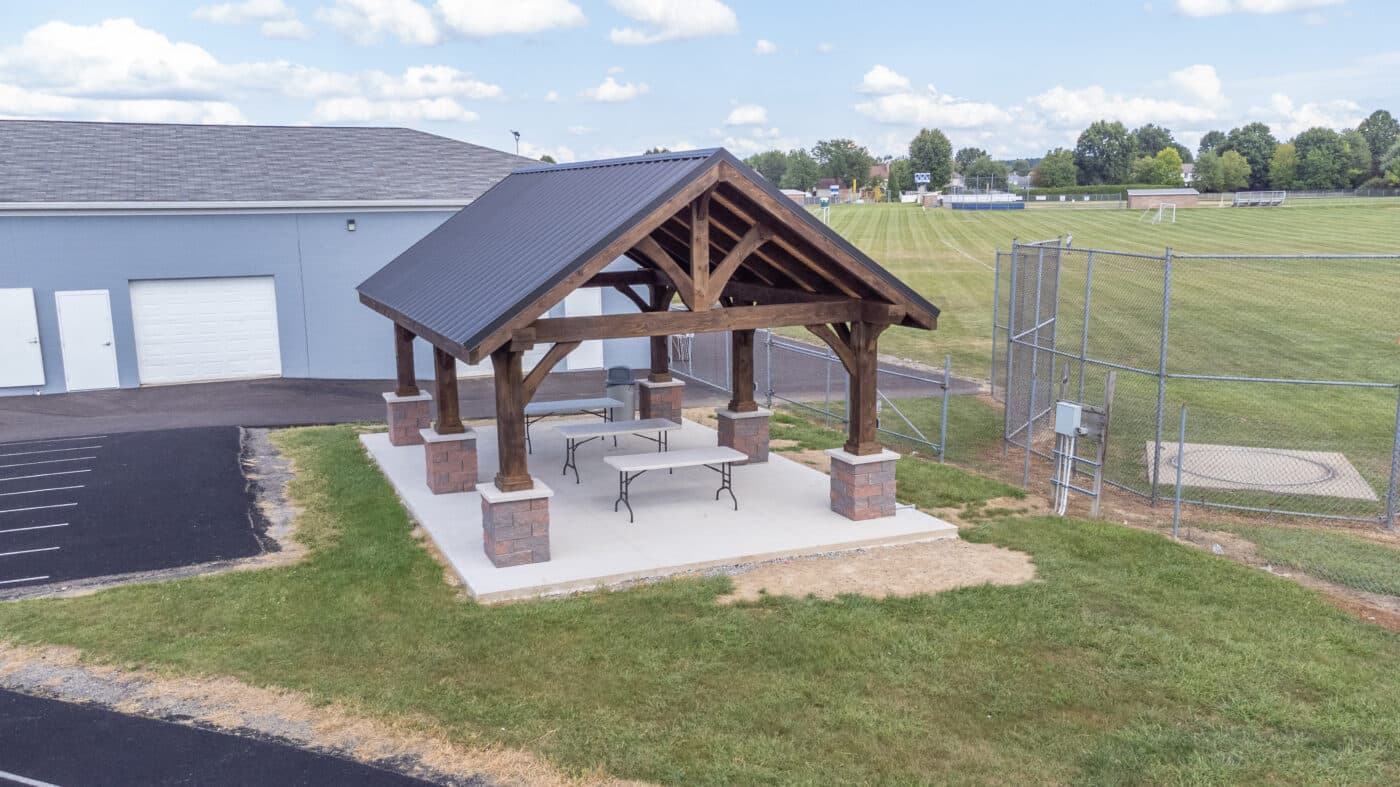
Transform your outdoor living space with a premium pergola or pavilion from Enduria Structures. Designed to provide the perfect balance of style, comfort, and durability, our structures are ideal for patios, backyards, poolside retreats, outdoor kitchens, and entertainment areas. Each pergola and pavilion is built with quality materials and customizable options to complement your home’s architecture and meet your specific needs. Whether you’re creating a shaded relaxation area or a spacious gathering place for family and friends, we offer attractive, long-lasting solutions that add beauty, functionality, and value to properties throughout North Carolina.